
The Homeowner’s Guide to Sewage Damage Cleanup in Centennial
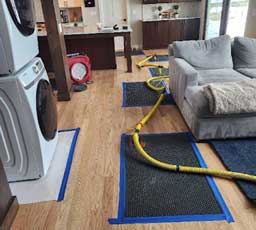
A sewage backup feels like pure chaos. Contaminated water that’s a health risk, and a process you don’t even understand, all hitting at once. The good news is that remediation follows a well-marked path, as long as you know the steps. This guide lays it all out so you can walk through it without the panic.
Key Takeaways
- As Category 3 “black water,” sewage requires special containment, not just a mop-up.
- The order of operations matters: inspection, cleanup, sanitation, and drying.
- Learning a bit about your insurance and some prevention basics saves you the headache down the line.
When sewage backs up into your home, the first thing you probably feel is overwhelmed. The smell doesn’t leave you room to ignore the dirty water sitting where it shouldn’t, and you have no clear picture of what comes next. That’s a lot to take in during a stressful moment.
Here’s the reassuring part. The sewage damage cleanup that Centennial homeowners can rely on is tried and true, working through the stages step by step. It’s largely technical work, but the road through it is more straightforward than it feels at the moment.
Knowledge goes a long way toward removing the fear before the job starts. Biohazard property restoration is a real science, but you don’t have to be the expert. You just need to know what is coming your way. Here’s how it unfolds.
Understanding the Classes of Water
Not all water damage is the same. A clean pipe burst is one thing, but sewage is Category 3 water, also called “black water,” and it’s a different monster altogether. It carries bacteria and other harmful contaminants, so it really isn’t comparable to a simple leak.
That category of water is what calls for specialized containment. Workers cordon off the area so the contamination doesn’t spread to the clean parts of the house.
What makes black water different:
- It’s Category 3, the most contaminated class
- It carries bacteria and health risks
- It needs containment, not just wiping
- It can’t be treated like a clean pipe burst
The Inspection and Assessment Phase
The crew needs to see the full picture before any cleanup starts. Wastewater travels, and much of the damage hides behind walls and beneath floorboards, out of sight. They use moisture meters and infrared cameras to trace the full path the moisture took.
This matters because any missed moisture can lead to mold later. Mapping the big picture means nothing gets left wet and forgotten.
What the inspection covers:
- Thermal imaging for hidden moisture
- Moisture mapping behind walls and under floors
- The full extent of the contamination
- A plan based on what’s actually wet
The Cleanup and Sanitation Protocol
This is the heart of it. Once the contaminated water and ruined materials are removed, the crew sanitizes all that remains. That means industrial-strength antimicrobial treatments, not household cleaners, to make the home safe again.
The goal is a home that’s both medically safe to live in and legally sound. With a biohazard, surface cleaning isnt enough, so this step is methodical by design.
What sanitation involves:
- Removing contaminated water and materials
- Industrial antimicrobial treatments
- Sanitizing surfaces that stay in place
- Restoring the home to a livable condition
Navigating the Insurance Claims
The insurance side has its own learning curve. Coverage for a sewage backup often rests on whether you have what’s known as a sewage or water backup rider, which varies between insurers and across Colorado homeowners policies. Understanding what your policy covers before you have to use it saves a lot of stress.
Document everything and involve your insurer as early as possible. A restoration team that handles claims can often help you prepare what the insurer needs.
Insurance checklist basics:
- Check whether you have a sewage or backup rider
- Read what your Colorado policy actually covers
- Take pictures of the damage right away
- Contact your insurer early in the process
Preventing Future Overflows
The best backup is the one you avoid. In Centennial, homeowners can benefit from a few simple habits, chief among them keeping an eye on the main line. The big culprits are root intrusion and grease clogs.
A little maintenance now beats a big cleanup later. Some care about what goes down the drain, which safeguards your whole house.
Simple prevention tips:
- Don’t pour grease down the drain
- Watch for root intrusion in older lines
- Have the main line inspected periodically
- Fix slow drains before they back up
Turning a Disaster Into a Recovery
A sewage backup is stressful, but it doesn’t have to be chaos. Even blackwater is manageable once you know how to contain, sanitize, and prevent it, making the whole thing a managed process with a clear end. You’re recovering, not just reacting.
For homeowners in the area, a local crew like Restoration Logistics can guide you through a professional inspection and get the cleanup done properly. Knowing what to expect is what turns a home disaster into a recovery you can actually get through.
