
Hidden Home Vulnerabilities a Residential Locksmith Can Fix
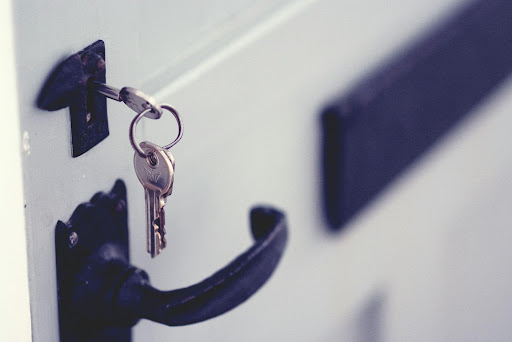
Most burglaries are not dramatic. No cinematic lock-picking, no cut alarm wires. Someone tries a few doors and windows, finds the one that gives, and is gone in minutes. After years of these calls, I can tell you the weak spots are almost always the same, and almost always cheap to fix.
Key Takeaways
- Half-inch screws probably hold your strike plate. Long screws into the framing make a kicked door far harder to force.
- Old pin-tumbler cylinders can be bumped open in seconds. Bump-resistant locks shut that trick down.
- Sliding doors, ground-floor windows, and the garage door get skipped. Each one is an easy way in until you lock it down.
Think about how a burglar actually works. They are not looking for a challenge. They want the house that takes ten quiet seconds and no tools. A camera on the porch and a deadbolt on the front door feel like enough, and for the front door, maybe they are. The trouble is everywhere else.
A good residential locksmith spends half the job on the parts you never think about. The stuff a security camera will only record, not stop. Below are five soft spots I see over and over in Boca homes, and none of them cost much to shore up.
Grab a flashlight and walk your own house as you read. You will spot a few.
Weak Strike Plates
Start with the strike plate, that metal piece the bolt slides into. On most doors, it is screwed in with tiny three-quarter-inch screws that bite into the door jamb and nothing more. One solid kick splinters that jamb and the whole door swings open. The lock never even fails. The wood around it does.
The fix takes ten minutes and a few dollars. Swap those short screws for three-inch ones that reach past the jamb and into the wall stud behind it. Now a kick fights the whole frame.
Outdated Cylinder Technology
Most homes still run basic pin-tumbler locks, the kind that have not really changed in a century. Two problems. They can be picked by anyone who watched a weekend of videos, and worse, they can be bumped, which means popped open in seconds with a cheap filed-down key and a tap.
High-security cylinders close both holes. They use pins and side bars built to resist picking, and their keyways stop a bump key cold. Many are restricted too, so nobody copies your key at a hardware counter without your say-so.
Vulnerable Sliding Glass Doors
Sliding glass doors are a South Florida staple and a burglar’s friend. The factory latch is flimsy, and here is the part that surprises people. On a lot of them, you can lift the whole panel up and out of its track from the outside, latch or no latch. No glass broken, no noise.
Two cheap upgrades close it:
- A foot bolt or pin lock that drops into the track and pins the door down
- An anti-lift bracket up top so the panel cannot be raised out
A dowel in the track helps in a pinch, but proper hardware is the real answer, and it installs in an afternoon.
Exploit-Prone Window Locks
Ground-floor windows get almost no thought, which is exactly why they get used. The little crescent latch on a standard window is more of a suggestion than a lock. A thin blade or a firm shove can flip a lot of them, and then someone is halfway inside.
Better options for the ground floor:
- Keyed sash locks that need a key to open, not just a thumb flip
- Vent locks that let a window breathe a few inches but no further
Put your attention on the windows a person can actually reach from the ground. Skip the second story for now.
Non-Secure Garage Entry Doors
Here is the one almost everyone misses. The door from the garage into the house. People lock the front door like a vault, then hang a hollow, keyless passage knob on the garage door, the one that only spins open. Get into the garage, and you stroll right in.
Treat that door like a real exterior door, because it is one. A solid-core slab and a deadbolt turn your weakest interior door into a proper second barrier. Toss in a decent strike plate while you are at it. Garage doors fail all the time, so this one matters.
Fix the Gaps Before Someone Finds Them
None of this needs a big budget. A handful of screws, a few pieces of hardware, and an hour or two close most of these gaps. The catch is knowing which ones your house actually has, and that is where a trained eye earns its keep.
A DIY checklist can only take you so far. A residential locksmith walks the whole house, spots the weak points a list will not, and fixes them on the spot. Sunshine State Lock & Key runs security checks like this across Boca Raton.
