
Smart Locks vs. Traditional Keys: What a Residential Locksmith Recommends
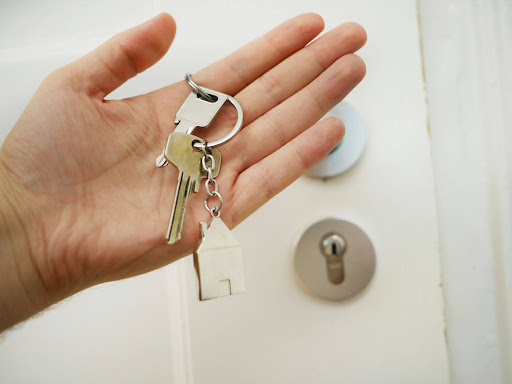
People always want me just to tell them which one is better. I can’t, not honestly. Smart locks and plain old keys both have their place, and both come with their own headaches. What I can do is lay out how they stack up on security, ease, weak spots, and wear. Then you decide.
Key Takeaways
- Convenience goes to smart locks. For plain simplicity, a keyed deadbolt wins. On raw safety, honestly, it is close to a wash.
- A good smart lock needs charged batteries and the odd update. A brass deadbolt? Just a key that turns.
- For most homes, a mix wins. Smart lock on the front door, tough keyed deadbolts everywhere else.
Not long ago, picking a lock meant choosing a finish. Brass, maybe nickel, done. These days your front door might open to a fingerprint or a tap on your phone from across town. That is a real upgrade for some households and a headache waiting to happen for others. Figuring out which camp you fall in matters.
Any residential locksmith worth calling has stood in that exact doorway, sizing up how a family lives against what the door needs. Both options are solid when installed right. The gap shows up in how you live, not in some scoreboard of one beating the other.
So here is the straight comparison, no brand loyalty, just what each does well and badly.
Security Mechanisms Compared
Ignore the marketing for a second. Both are just a bolt and a way to control who throws it. With a keyed deadbolt, that control is the pin tumblers, the little stack your key lines up. A smart lock adds a motor and a digital gatekeeper, a code or a phone handshake. But the bolt is the bolt.
Here is the part people miss. Behind most smart locks sits a normal deadbolt doing the real muscle work. The digital layer controls permission, not strength. So the physical security often matches a good traditional lock, because underneath, it basically is one.
The Convenience Factor
Convenience is where smart locks pull ahead, no contest. If you have ever dug through a bag in the rain or hidden a key under a rock you later forgot, the appeal is obvious. Codes and apps solve a stack of small daily annoyances.
What the digital side buys you:
- Keyless entry with a code or fingerprint, nothing to carry or lose
- Temporary codes for a dog walker or house guest, deleted when they leave
- A phone alert when the door opens, handy if kids get home before you
The old key answers back with one quiet advantage. No battery to die, no signal to drop. It works in a hurricane, works when the power is out, same as ever.
Where Each One Falls Short
Nothing here is bulletproof, and a straight comparison has to admit that. Both have a soft spot. Once you know where it is, you can back it up. Pretend it is not there, and that is where you get burned.
Where each one can slip:
- Keyed locks face picking, bumping, and copied keys floating around from old tenants
- Smart locks face dead batteries, dropped Wi-Fi, and the rare software flaw
- Either can be defeated by a cheap door, a weak frame, or a hidden spare key
Notice that last one. Most break-ins do not beat the lock at all. They walk through a weak frame, or a door nobody bothered to lock.
How Each One Ages
Time treats these two very differently. A quality brass deadbolt can run for decades with little more than a shot of graphite now and then. Down here, salt air and humidity chew through cheap hardware fast, so material matters more in South Florida than most people expect. Buy solid brass, and it shrugs off the weather.
A smart lock asks for more attention. Batteries die on their own schedule, usually at the worst time, and firmware needs the occasional update to stay patched. Figure on replacing the electronics well before a good mechanical lock would ever wear out.
What a Professional Recommends
Ask most locksmiths, and you will hear the same thing. Skip the either-or. The setup that tends to make people happiest borrows from both, matching the lock to how each door actually gets used. Put the convenience where you touch it daily, and put plain, tough hardware everywhere else.
A hybrid that works for most homes:
- A smart lock on the main entry you use ten times a day
- High-security keyed deadbolts on side, back, and garage doors
That way you get codes and alerts where they earn their keep, and no battery to worry about on the doors you rarely think about. Best of both, honestly.
Match the Lock to Your Life
The right choice really does come down to you. Someone who travels and juggles guests leans smart. Someone who wants one less thing to charge leans keyed. A quick look at your doors and your routine usually makes the answer obvious in about five minutes.
Still on the fence? Get a residential locksmith to come out and actually look at your doors. They can set up whatever mix makes sense for your place. Sunshine State Lock & Key does exactly that across the Boca area.
